

SPCA
Our shared homes
From seals and dolphins, to birds, bats, insects and reptiles – many fascinating animals can be found in New Zealand.
All over our country, animals have made their homes in rivers, caves, bushes, trees, and the mountains of Aotearoa. Whether these animals have arrived well before or after us, they are all living, feeling creatures that all deserve kindness and compassion. This planet is just as much theirs as it is ours, so we owe it to them to do our best to protect their welfare, as well as be considerate and respectful of their homes and their lives!
Over the years, humans have made massive changes to the habitats in which these animals live. As our towns and cities get bigger, sadly, forests, wetlands and other habitats get smaller. When a habitat is destroyed, it makes it harder (or sometimes impossible) for the plants, animals, and organisms to continue living there.
This can be a frightening experience for animals, especially if these areas are bare and unfamiliar. Since we humans have caused these significant changes to these natural environments, we have a responsibility to step up as animal guardians to protect our wildlife in a kind and compassionate way.
These environments are these animals’ homes and are made up of living things that depend on one another, if one of these elements were to disappear, it would greatly and most often negatively affect the rest of the environment – this is why it’s so important for us to protect and promote these areas so that both animals and humans can enjoy them for decades to come.
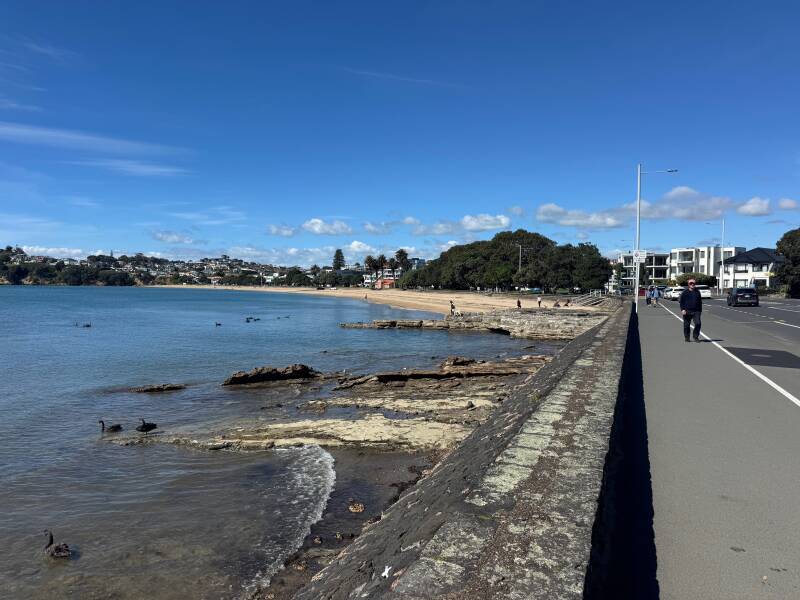
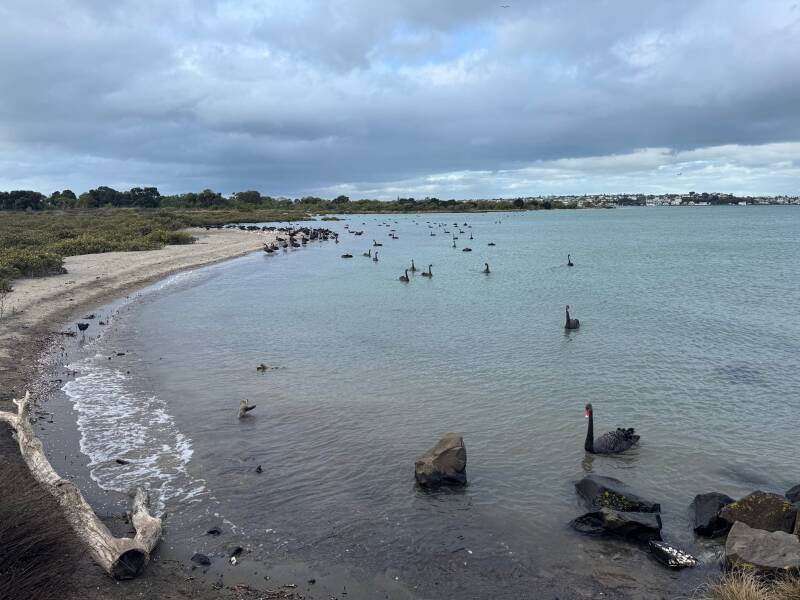
Ocean, Coastal, and Beach Habitats
Among these thousands of animal species are the world’s rarest sea lion, penguin, dolphin, whale, and albatross. Additionally, approximately half of the world’s whales and dolphins visit or live in these habitats off of New Zealand, as well more than one-third of world’s seabird species! Some of these animals are native, some non-native, and some are endemic, meaning you can’t find them anywhere else in the world. Without these habitats and the resources they provide, where would these animals go?
In addition to several underwater habitats, the coastal and beach areas where the water meets the shoreline create the perfect habitat combination for water and land dwelling animals. Beach sand, rocks, seaside vegetation, and cliffs are used by animals to nest, rest, and care for young. This includes the highest number of seabird species that do not breed anywhere else but Aotearoa – 38 species to be exact!
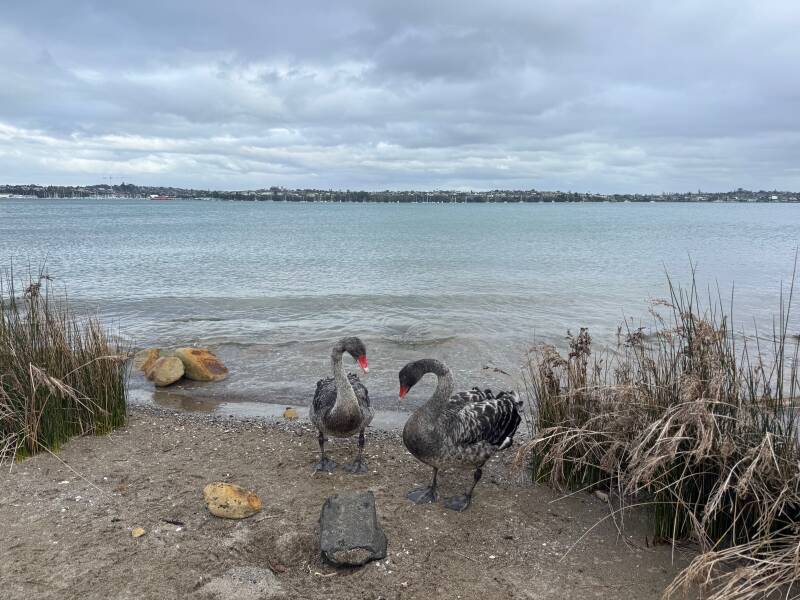
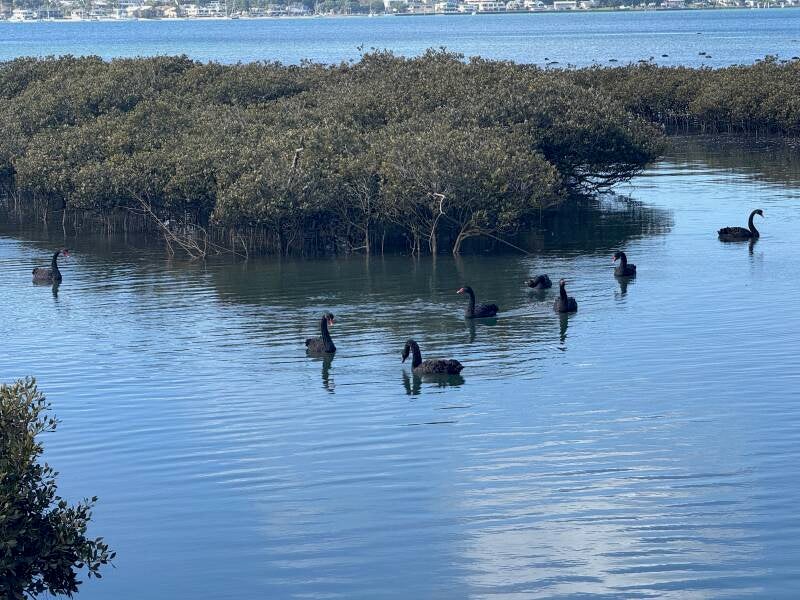
Freshwater and Wetland Habitats
Rushing freshwater streams and calm, beautiful lakes make the perfect place for many species of fish and birds to live.
Many species of birds and fish rely on the water and plants that freshwater and wetland habitats provide. These amazing animals (and plants) have adapted to thrive in these environments. They wouldn’t want to, and often can’t survive, anywhere else. When these environments are healthy and thriving, they offer animals food, shelter, a place to raise their young, and everything else they need to lead happy, healthy lives.
These habitats are also important for humans as certain plants trap carbon, making them essential for managing climate change, they boost the quality of water, and they reduce the risk of flooding.
Threats to Wildlife
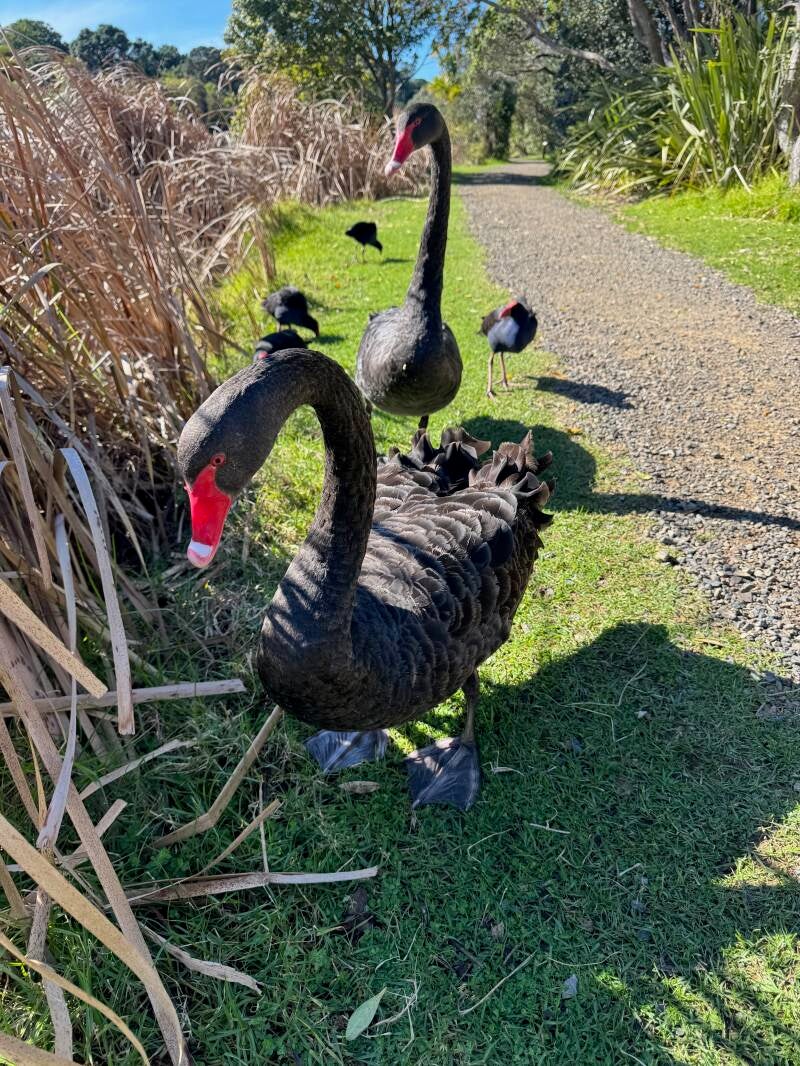
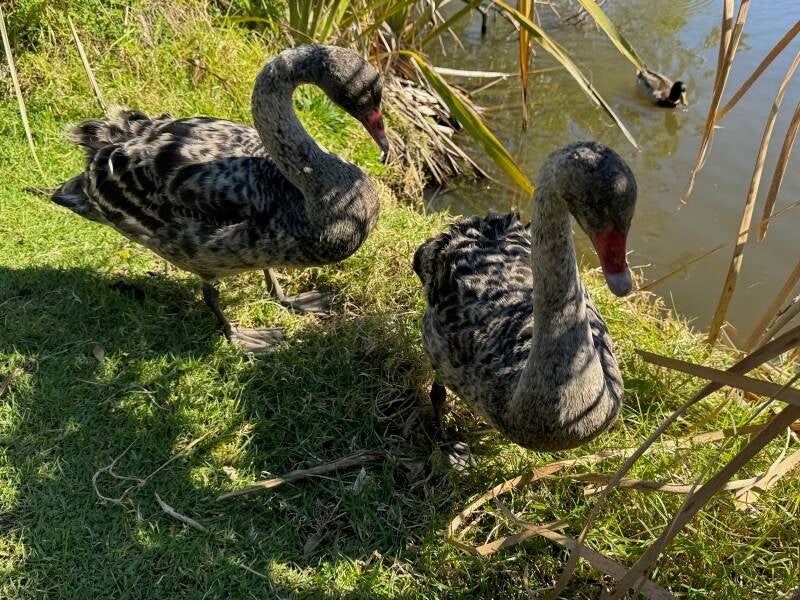
Birds are very vulnerable and face many threats, including predation, habitat loss, environmental degradation, human-animal conflicts and lack of awareness by the general public.
Despite the seemingly progressive NZ position on Animal Rights and Animal Welfare - most notably New Zealand's early adoption of animal sentience - there remains serious disparities between what is said, and what is done; between the vision publically asserted and the lack of will, commitment and support to reach those goals; the long-term underfunding, and recent cutting back, of investment and personnel working on the frontlines and sadly, the shift from the long held view of NZ being 'a nation of animal lovers' to the place where where we now collectively stand: a nation steadily rolling back animal protections wherever they are found to subjectively interfere with or prevent "economic development".
Dogs
See Dog Control Act


Environmental harm
Pesticides, herbicides and commercial spraying
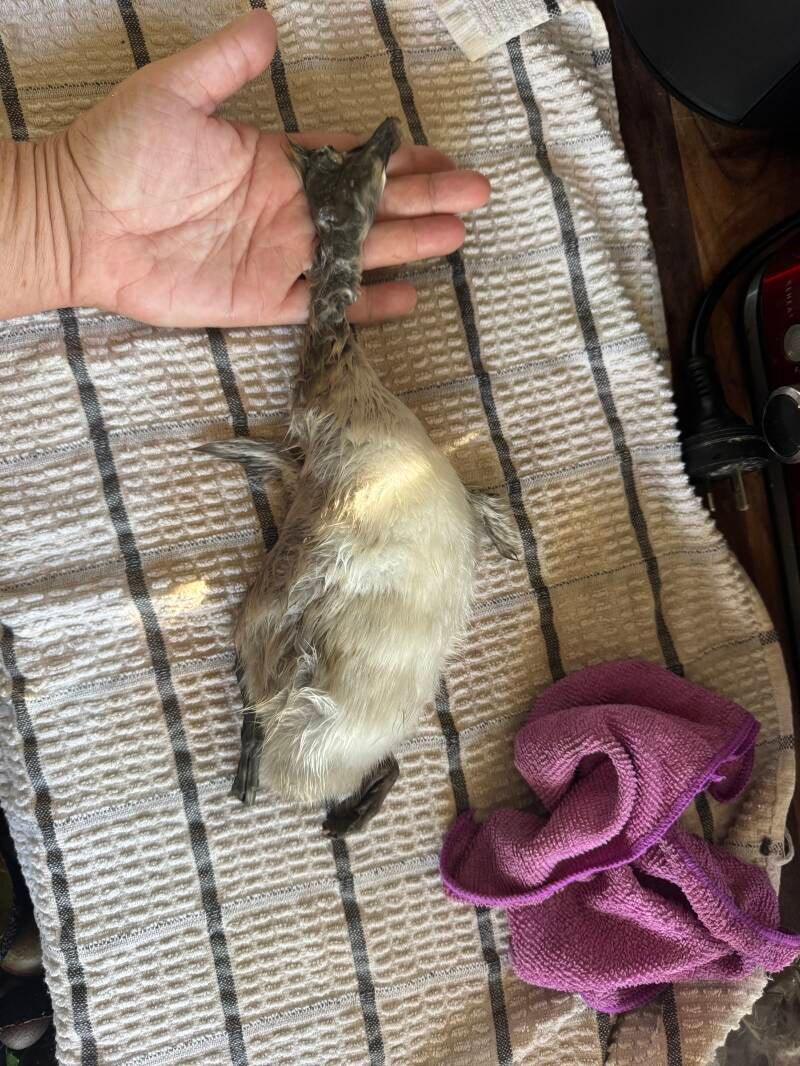
Despite begging local Council to not use weed management sprays near the areas where this baby lived, they proceeded, and within 1-2 days Boma was found dead at just 2 weeks old.
Rubbish + plastics
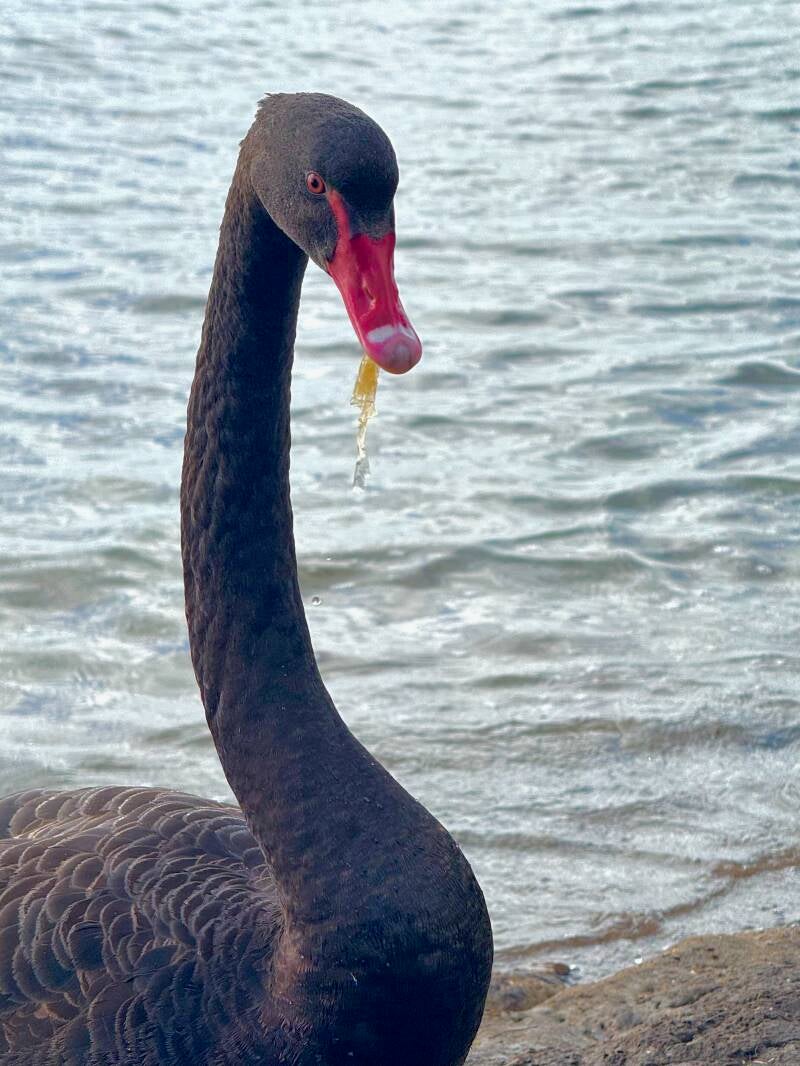
Photos:
Swan with plastic in mouth
Food waste + the link to botulism


Fishing - lines, hooks, sinkers and set nets


